

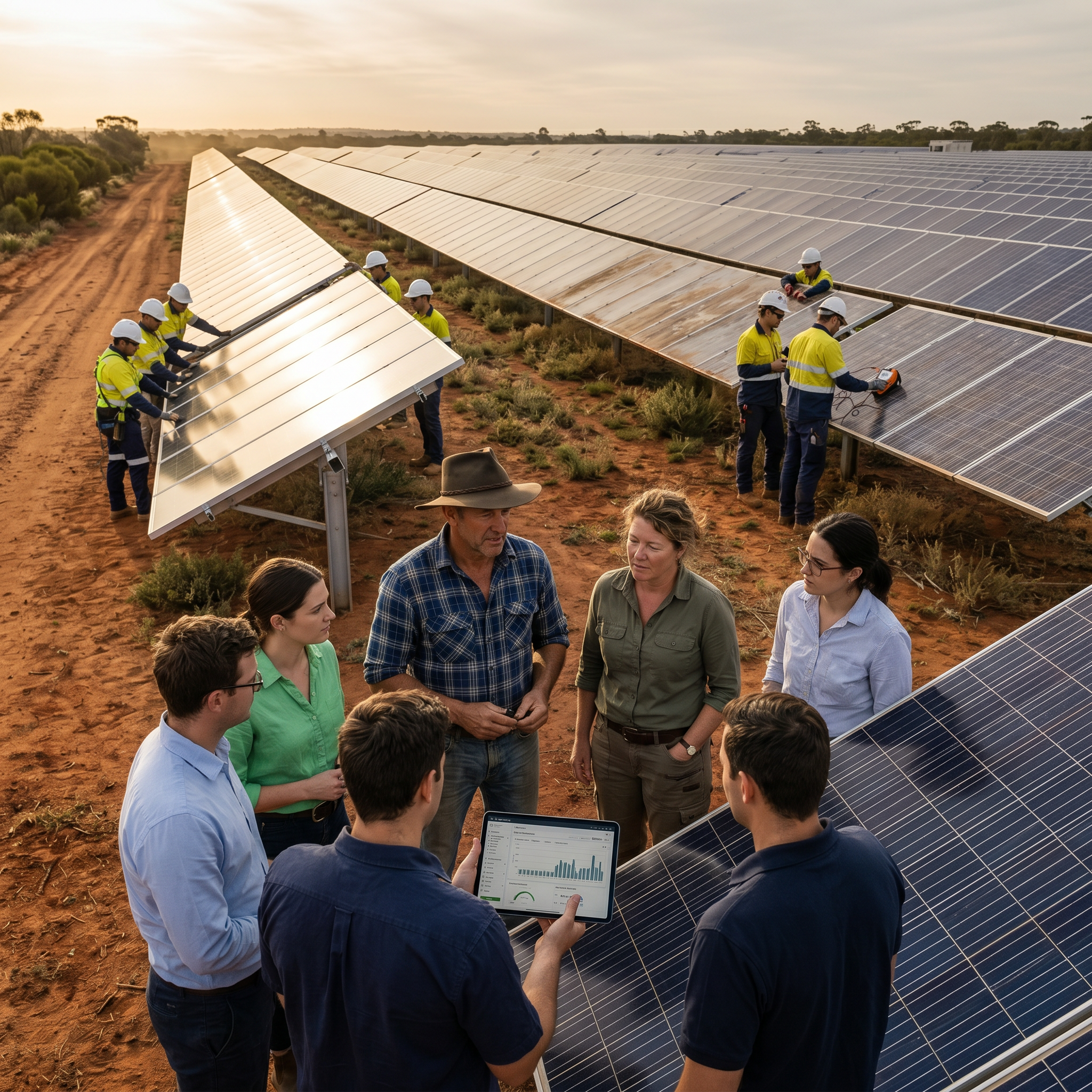
No. One of the most common misconceptions is that solar panels suddenly stop working after 25 years. In reality, most modern solar panels continue generating electricity well beyond that point.
The figure of 25 years usually relates to a manufacturer's performance warranty, not the actual life of the panel.
What Does a 25-Year Warranty Mean?
Most utility-scale solar panels come with performance warranties of around 25 to 30 years. These warranties generally guarantee that the panels will continue producing at least a specified percentage of their original output after that period.
The exact warranty varies between manufacturers and products.
Do Panels Suddenly Fail?
No.
Solar panels slowly lose efficiency over time through a process known as degradation. Instead of stopping completely, they generally produce a little less electricity each year.
Many modern panels are expected to continue operating for 30 to 40 years or more, although at lower efficiency than when first installed.
What Causes Degradation?
Several factors influence long-term performance, including:
- Exposure to sunlight (UV radiation).
- Temperature changes.
- Weather conditions.
- Humidity.
- Material ageing.
- Manufacturing quality.
The rate of degradation varies depending on the technology and operating conditions.
Can Older Panels Be Replaced?
Yes.
Individual panels or entire arrays can be replaced or upgraded if required. Some projects choose to replace older equipment with newer, more efficient technology while continuing to use existing infrastructure where appropriate.
This process is often referred to as repowering.
What Happens When Panels Are No Longer Useful?
When panels eventually reach the end of their useful life, they may be recycled, reused where appropriate or managed through approved waste and recycling processes.
Planning for end-of-life management is an important part of responsible project design.
Our Position
Fair Go for North East Country believes communities deserve clear and accurate information about the lifespan of renewable energy infrastructure.
Understanding the difference between a manufacturer's warranty and the actual operating life of a solar panel helps people make informed decisions based on evidence rather than misconceptions.
Looking Ahead
Solar technology continues to improve, with newer panels offering higher efficiency and longer expected service lives. As the industry evolves, recycling, refurbishment and repowering are expected to become increasingly important parts of managing renewable energy infrastructure.
Fair Go for North East Country supports practical, evidence-based information that helps communities understand every stage of a renewable energy project's life cycle—from construction and operation through to maintenance, replacement and recycling.