When major projects have the potential to significantly affect the environment, they may be required to undergo an Environmental Effects Statement (EES). An EES is one of Victoria's most comprehensive environmental assessment processes and is designed to help decision-makers understand the potential impacts of major developments before decisions are made.
What Is an Environmental Effects Statement?
An Environmental Effects Statement is a detailed assessment process used for projects that may have significant environmental, social or economic impacts.
The process is established under Victoria's Environment Effects Act 1978 and is managed by the Victorian Government.
Why Is an EES Required?
Not every project requires an Environmental Effects Statement.
An EES may be considered where a proposal has the potential to significantly affect matters such as:
- Native vegetation.
- Threatened plants and animals.
- Waterways and wetlands.
- Cultural heritage.
- Landscape values.
- Agricultural land.
- Communities and surrounding land uses.
What Happens During an EES?
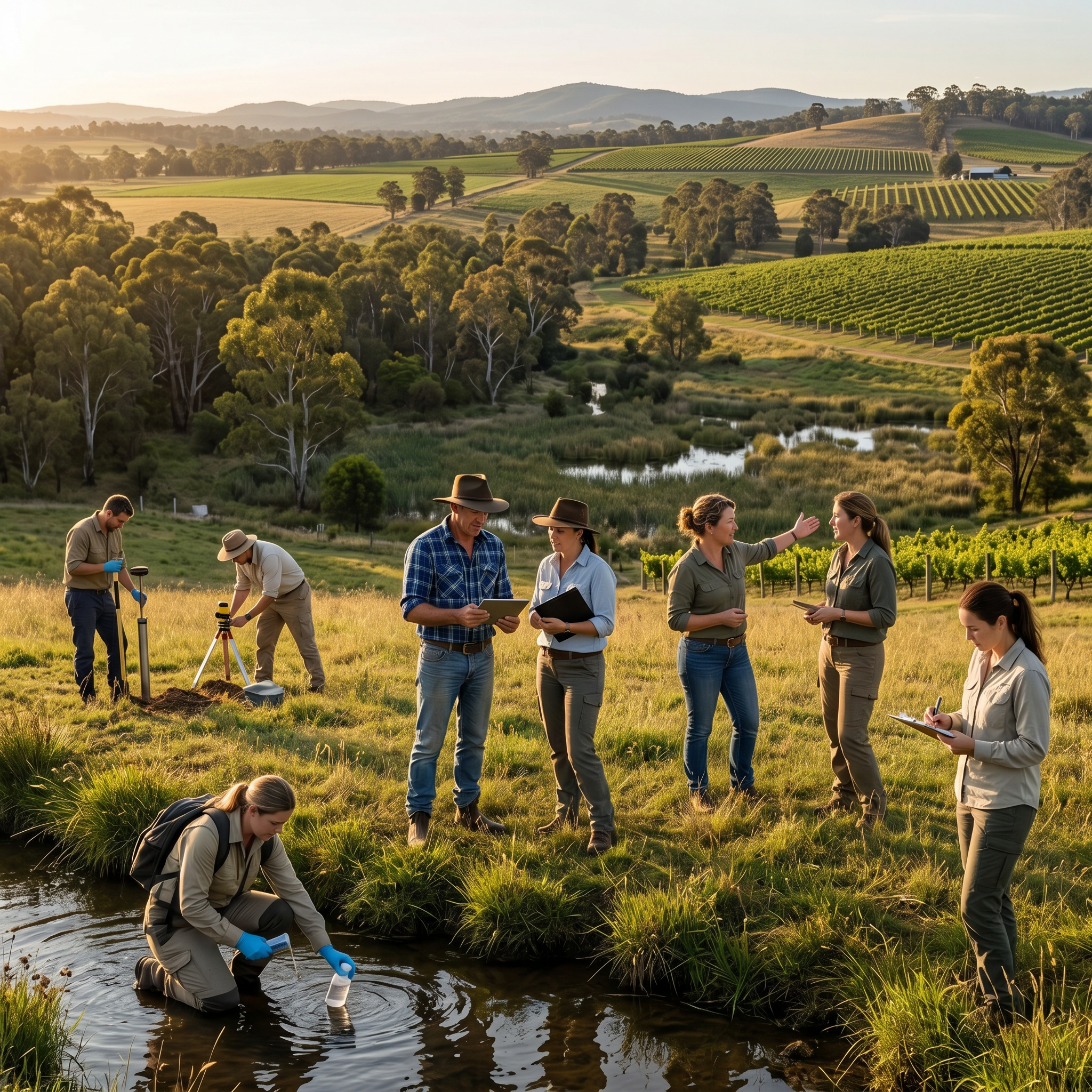
An Environmental Effects Statement usually involves extensive technical investigations undertaken by specialist consultants.
Studies may include:
- Ecology surveys.
- Traffic assessments.
- Noise modelling.
- Hydrology and flood studies.
- Agricultural assessments.
- Visual impact assessments.
- Bushfire risk assessments.
- Cultural heritage investigations.
Can the Community Be Involved?
Yes.
Community consultation is an important part of the EES process. Residents, landholders, businesses and community organisations may have opportunities to review documents and provide submissions before recommendations are finalised.
Does an EES Approve a Project?
No.
An Environmental Effects Statement does not automatically approve or reject a project. Instead, it provides detailed information that helps inform planning and government decisions.
Our Position
Fair Go for North East Country supports rigorous, independent environmental assessment for major developments.
We believe Environmental Effects Statements should be transparent, evidence-based and supported by meaningful community participation.
Looking Ahead
Understanding the Environmental Effects Statement process helps communities better understand how major projects are assessed and how environmental values are considered during planning.
Fair Go for North East Country believes informed communities make stronger planning decisions. By understanding processes such as the Environmental Effects Statement, residents can participate more confidently in shaping the future of North East Victoria.